
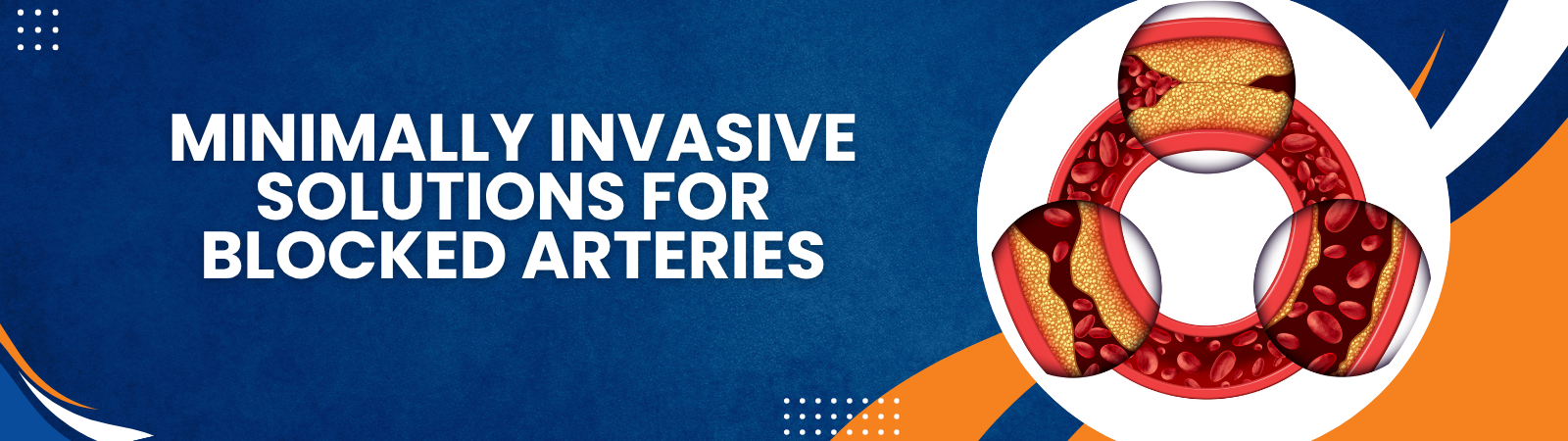
Angioplasty Treatment in Navi Mumbai
What is angioplasty? Angioplasty is a procedure that opens a blocked heart artery using a thin tube and a small balloon, usually followed by a stent to keep it open. It is done through the wrist or groin, without opening the chest. At Terna Speciality Hospital & Research Centre in Nerul, coronary angioplasty in Navi Mumbai is done by our DM-qualified interventional cardiologists.
Your heart works tirelessly, beating over 100,000 times a day to pump life-sustaining blood. When arteries stiffen or clog, even daily tasks can leave you breathless or tired. That’s why angioplasty—a procedure designed to open blocked coronary arteries—matters so profoundly. With cardiovascular disease affecting nearly 6 million Indians annually and heart disease being the leading cause of death globally, timely care is critical.
Dr. Rakesh Tirmale, a proficient cardiologist at Terna Hospital, Navi Mumbai, says:

“Blockages in the coronary arteries can silently progress until you feel chest pain or fatigue. Angioplasty offers a minimally invasive option to restore blood flow effectively and rapidly. With advancements like drug-eluting stents and intravascular imaging, we now achieve even better outcomes. At Terna Hospital, our team applies these technologies with precision and compassion.”
At Terna Speciality Hospital & Research Centre, experienced cardiologists and heart specialists provide advanced angioplasty treatment and comprehensive cardiac care services in Navi Mumbai. The hospital is equipped with modern cath lab technology, emergency cardiac care facilities, and expert medical teams for accurate diagnosis and effective treatment of blocked arteries, chest pain, and heart-related conditions.
Recognized as a trusted angioplasty hospital in Navi Mumbai, Terna Hospital offers advanced heart blockage treatment, coronary angioplasty, cardiac stent procedures, angiography, and emergency heart care procedure in Nerul. With experienced interventional cardiologists, advanced cardiac monitoring systems, ICU support, and minimally invasive treatment techniques, the hospital focuses on faster recovery, improved heart health, and better patient outcomes.
Patients searching for angioplasty treatment in Navi Mumbai, heart blockage treatment near Nerul Railway Station, or cardiac stent surgery can access personalized heart care services at Terna Hospital.
Signs of Heart Blockage: When to See a Cardiologist
Heart blockage treatment in Navi Mumbai starts with spotting the warning signs early:
- Chest pain, pressure or heaviness, especially while walking or climbing stairs
- Pain spreading to the left arm, jaw, neck or back
- Breathlessness on small effort
- Sweating, nausea or feeling faint with chest discomfort
- Unusual tiredness (common in women and people with diabetes)
Chest pain lasting more than a few minutes can be a heart attack. Do not wait. Call 91 96194 88802 or reach the nearest emergency room immediately.
Heart Attack Treatment in Navi Mumbai: Primary Angioplasty
In a heart attack, an artery is suddenly blocked and heart muscle starts dying. The faster it is opened, the more muscle is saved. Primary angioplasty means opening the artery with a balloon and stent as soon as the patient arrives.
Terna’s 24×7 cath lab in Navi Mumbai, with the cardiac ICU on the same campus, is ready for emergency angioplasty at any hour.
Angiography and Angioplasty in Navi Mumbai: What’s the Difference?
| Coronary Angiography | Coronary Angioplasty | |
|---|---|---|
| Purpose | Test to find blockages | Treatment to open blockages |
| How | Dye and X-ray through a thin tube | Balloon and stent through the same tube |
| Time | 15-30 minutes | 30 minutes to 2 hours |
| Hospital stay | Often same day | Usually 1-2 days |
If the angiography shows a serious blockage, the cardiologist may do the angioplasty right away in the same sitting, after explaining it to you and your family.
Curious about what forms of angioplasty we perform? Read on to uncover how Terna Hospital tailors each method for optimal results.
Types of Angioplasty at Terna Hospital
The doctor chooses the method after looking at your angiography, the type of blockage and your overall health.
We offer several angioplasty techniques to suit your condition:
Balloon Angioplasty
- A thin balloon catheter is guided into the narrowed artery.
- Inflation expands the artery, restoring blood flow.
- Stent Angioplasty (Bare‑Metal and Drug‑Eluting Stents)
- After ballooning, a tiny mesh tube (stent) is placed to hold the artery open.
- Drug‑eluting stents release medication to prevent re‑narrowing.
Rotational Atherectomy
- For severe calcium buildup, a rotating burr smooths the plaque.
- Followed by ballooning and stent placement.
- Helps improve blood flow in complex coronary artery disease cases.
- Recommended for patients with severe artery calcification and high-risk cardiac conditions.
Bioabsorbable Scaffolds
- These dissolvable stents offer temporary support, then gradually disappear.
- Ideal for younger patients or those concerned about permanent metal implants.
- Bioresorbable stents that gradually dissolve inside the artery over time after restoring blood flow.
Each type is selected after a detailed evaluation of your artery blockage, overall health, and lifestyle needs.
Let’s walk through what happens in the cath lab.
Angioplasty Procedure at Terna Hospital
Discover how our approach makes angioplasty in Navi Mumbai safer, faster, and more effective—helping you return to a healthy, active life. Here’s what to expect during your angioplasty:
Pre‑procedure Preparation
- You’ll receive blood tests, ECG, and ultrasound to assess your health.
- A mild sedative and local anesthesia will help you relax.
Accessing the Artery
- A catheter is inserted via your wrist or groin, then guided up to your heart using X‑ray imaging.
Angiogram Evaluation
- Dye is injected to visualize artery blockages and inform treatment strategy.
Stent Placement
- If needed, a stent is positioned and expanded.
- The stent remains permanently, supporting the artery.
Balloon Inflation
- Through the catheter, the balloon widens the artery. You may feel brief discomfort.
Final Imaging
- A final angiogram confirms success and absence of complications.
Recovery Monitoring
- You’ll rest in a recovery unit for 4–6 hours while your vitals and access site are observed.
Most patients stay in the hospital for one to two nights. Dr. Rakesh Tirmale notes that Terna’s integrated ICU and cath lab allow for prompt handling of complications—a key factor in ensuring your safety and comfort.
Seeking the Best Angioplasty Treatment in Navi Mumbai? Keep reading to learn what gives Terna Hospital an edge.
Why Choose Terna Hospital for Angioplasty?
When it comes to angioplasty, choosing the right hospital can significantly impact treatment outcomes, recovery time, and overall patient experience. Terna Hospital offers comprehensive cardiac care backed by advanced technology, experienced specialists, and round-the-clock emergency support. Here’s what sets Terna apart:
Meet Our Interventional Cardiologists in Navi Mumbai
Dr. Rakesh Tirmale · Cardiologist · MBBS, MD (General Medicine), DM (Cardiology) · [20+ years, confirm] · Interventional and preventive cardiology, heart failure.
Dr. Somnath Mallakmir · Consultant Interventional Cardiologist · MBBS, MD (General Medicine), DM (Cardiology), PhD · 26+ years.
Dr. Bhaimangesh Naik · Consultant Physician, Diabetologist & Interventional Cardiologist, MBBS, MD (Medicine), DM (Cardiology), CCEBDM · 22+ years. Heart care for patients with diabetes.
Dr. Rishi Bhargava · Consultant Interventional Cardiologist · MBBS, MD (Medicine), DM (Cardiology), FSCAI (USA) · 10+ years.
Advanced Cath Lab Technology
Terna Hospital is equipped with a state-of-the-art Cath Lab (Artis One Edition X), enabling precise diagnosis and minimally invasive angioplasty procedures with enhanced safety and accuracy.
Experienced Cardiologist Team
Led by Dr. Rakesh Tirmale, with years of combined experience in complex angioplasties.
Multidisciplinary Cardiac Support
Anesthesia, cardiac surgery, and ICU teams are available around‑the‑clock.
24×7 Cardiac Emergency Services
For heart attack patients and emergency cardiac cases, Terna Hospital provides immediate intervention and emergency cardiac care supported by dedicated specialists and critical care teams.
Heart Care Under One Roof
From preventive cardiology and advanced diagnostics to angiography, angioplasty, cardiac surgery, ICU care, rehabilitation, and follow-up management, patients receive complete cardiac treatment at a single center.
Strong Track Record
High success rates and low complication rates—reflecting global best practices.
Angioplasty in Nerul, Near Vashi, Belapur, Kharghar and Panvel
Terna Hospital is in Sector 22, Nerul, close to Nerul railway station. For heart attack patients, distance matters, and for families in central Navi Mumbai, this is a nearby option for angioplasty in Nerul.
Financial Initiatives
Transparent pricing with insurance coordination to reduce stress on you.
Now, let’s talk about what life looks like after your procedure.
Aftercare & Lifestyle Changes Post-Angioplasty
Recovering from angioplasty is an important step toward improving heart health and preventing future cardiac complications. Following your doctor’s advice, taking prescribed medications, and adopting a heart-healthy lifestyle can help ensure long-term success after the procedure. To help your heart thrive, consider the following aftercare and lifestyle shifts:
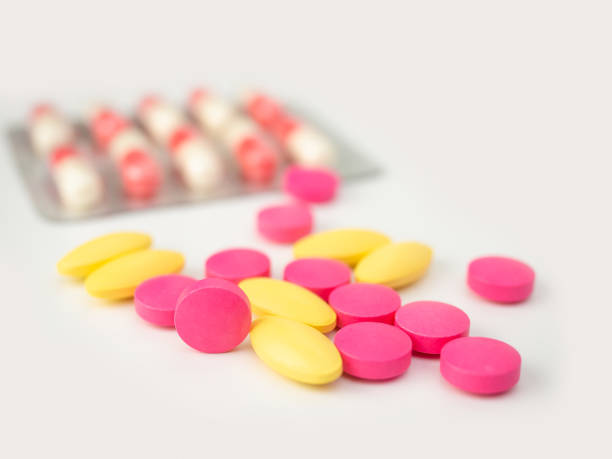
Medications You May Need
After angioplasty, your cardiologist may prescribe medications such as blood thinners, antiplatelet drugs, cholesterol-lowering medicines, and blood pressure medications.
- Antiplatelet drugs (like aspirin or clopidogrel) to prevent clots.
- Statins for cholesterol control.
- Beta‑blockers or ACE inhibitors to support heart function.

Heart‑Healthy Diet
A balanced diet plays a key role in preventing further artery blockage. Focus on:
-
- Fresh fruits and vegetables
- Whole grains
- Lean proteins such as fish and legumes
- Healthy fats from nuts, seeds, and olive oil
- Low-sodium and low-sugar foods
Exercise Routine
Most patients can return to light daily activities within a few days. However, strenuous exercise, heavy lifting, and intense physical exertion should be avoided until approved by the cardiologist.
- Start slow with walking and gentle cardio.
- Progress to moderate exercise under guidance to strengthen cardiovascular health.
Stress & Sleep
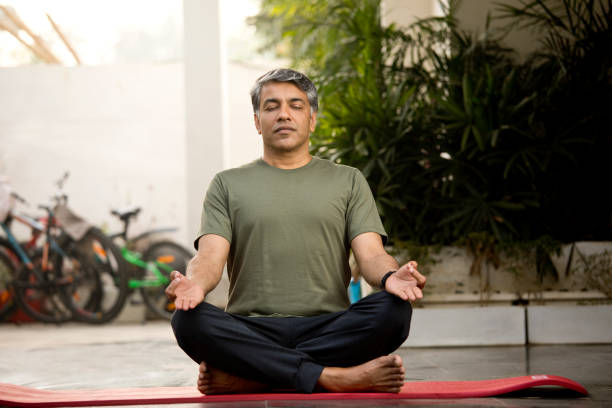
Chronic stress can negatively affect heart health. Techniques such as meditation, yoga, deep breathing exercises, adequate sleep, and regular physical activity can help reduce stress and support emotional well-being.
- Learn stress‑relief techniques like breathing exercises or meditation.
- Aim for 7–8 hours of restful sleep to support healing.
Smoking Cessation & Alcohol Moderation
Smoking significantly increases the risk of artery blockage, heart attack, and stent complications. Quitting smoking is one of the most effective ways to protect your heart and improve overall cardiovascular health.
- Quitting tobacco is essential.
- Limit alcohol to recommended levels or avoid it entirely.

Regular Health Check-ups
Routine follow-up visits allow your cardiologist to monitor recovery, assess heart function, adjust medications if needed, and identify any potential complications early.
These efforts, when paired with high-quality Angioplasty Treatment, maximize your long-term heart wellness.
Curious about the safety, outlook, and longevity of angioplasty? Let’s answer your key concerns.
Frequently Asked Questions
What are the risks of angioplasty?
Angioplasty is generally safe, but potential risks include artery re‑narrowing (2–5%), minor bleeding at the insertion site, blood clots, vessel damage, and in rare cases, heart attack or stroke. Your medical team will discuss these with you.
Can I live a normal life after angioplasty?
Absolutely! Most patients resume daily activities within a week. With healthy habits, many return to work, exercise, and hobbies regularly.
Will I need angioplasty again?
Some people may need a repeat procedure if restenosis occurs. The risk is significantly lower with drug‑eluting stents. Ongoing lifestyle and medical management further reduce this risk.
Is angioplasty better than bypass surgery?
It depends. Angioplasty is less invasive, with shorter recovery. But bypass surgery may be advised if blockages are severe, complex, or multiple. Your cardiologist will recommend the best option.
How long does an angioplasty procedure take?
Typically, it takes between 30 minutes and 2 hours, depending on complexity.
Is angioplasty a permanent cure for heart disease?
Angioplasty treats specific blockages, not the root cause of heart disease. It’s part of an ongoing heart health strategy that includes lifestyle, medications, and preventive care.
Disclaimer: This content is for educational purposes only and should not be taken as medical advice. Always consult a certified healthcare provider for diagnosis and treatment.