
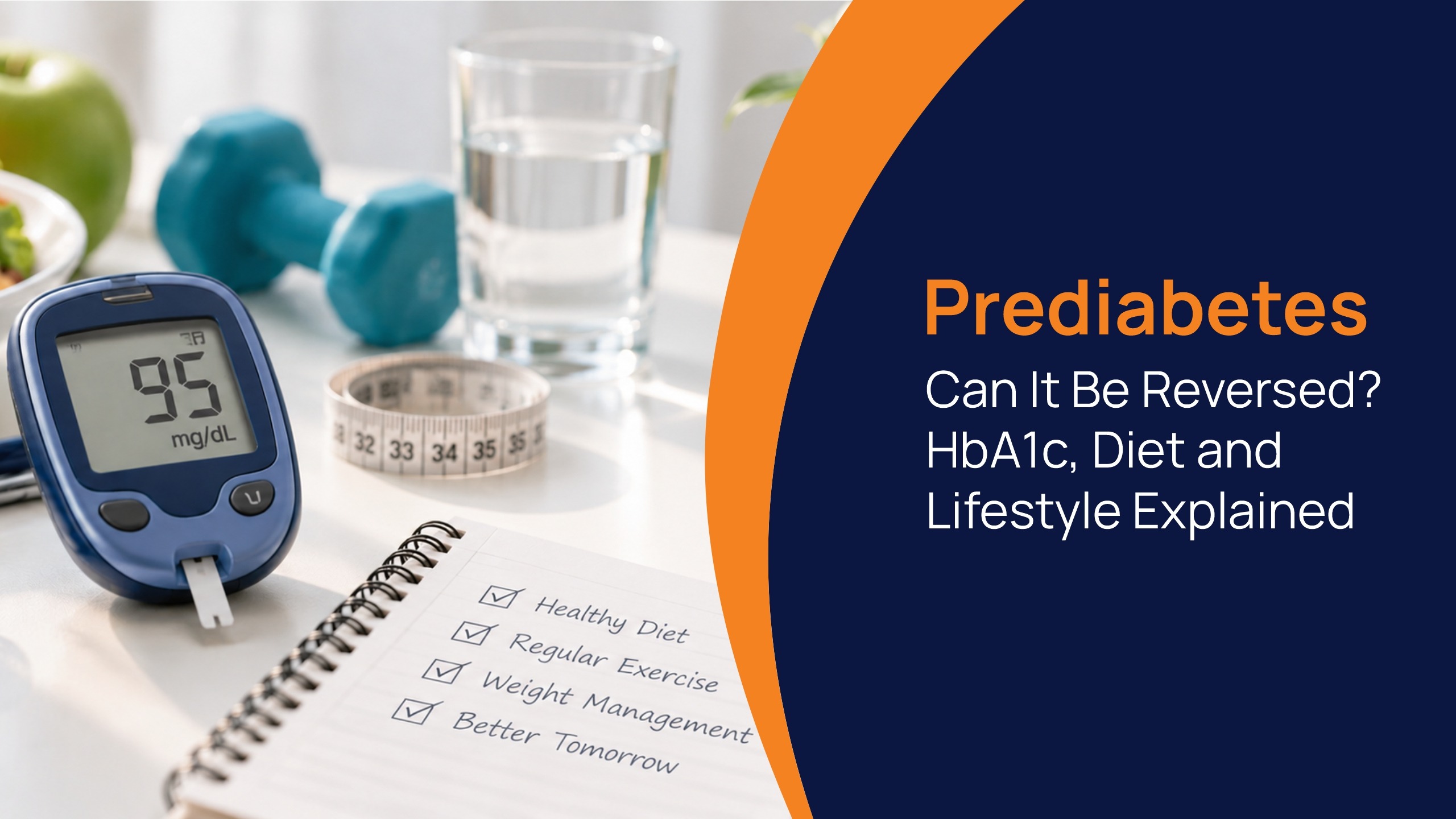
What Is Prediabetes?
Prediabetes means blood glucose levels are higher than normal but not yet high enough to meet the criteria for diabetes.
Timely lifestyle changes and appropriate medical care can improve blood glucose levels and reduce the risk of developing type 2 diabetes. For some people, prediabetes can be reversed, with blood glucose or HbA1c returning to the normal range after sustained lifestyle changes. However, regular monitoring remains important because blood glucose can rise again.
How Is Prediabetes Diagnosed?
Prediabetes can be identified through HbA1c, fasting plasma glucose, or a 2-hour oral glucose tolerance test (OGTT).
For non-pregnant adults, the commonly used ranges are:
- HbA1c: 5.7%–6.4%
- Fasting blood glucose: 100–125 mg/dL
- 2-hour OGTT: 140–199 mg/dL
Pregnancy uses different testing criteria. Test results should be interpreted by a healthcare professional, particularly when they are close to a diagnostic threshold.
What Does Prediabetes HbA1c Mean?
HbA1c reflects average blood glucose levels over approximately the previous 2–3 months. It generally does not require fasting and can help identify prediabetes and diabetes.
- Below 5.7%: Normal range
- 5.7%–6.4%: Prediabetes range
- 6.5% or above: Diabetes range
A high HbA1c does not always mean that a person has diabetes. Your doctor may consider other test results, symptoms, and health conditions before making a diagnosis.
Can Prediabetes Be Reversed?
Yes, prediabetes can be reversed or improved in some people.
If you are wondering how to reverse prediabetes, focus on sustainable changes rather than short-term or highly restrictive diets. Important areas of prediabetes management include:
- Choosing healthier foods
- Increasing physical activity
- Managing weight when appropriate
- Getting adequate sleep
- Managing stress
- Following recommended testing
- Taking medication when prescribed
The CDC recommends healthy eating, regular physical activity and modest weight loss when appropriate to help reduce the risk of type 2 diabetes.
What Should You Eat If You Have Prediabetes?
There is no single eating plan for everyone. A balanced prediabetes diet should focus on nutritious foods, appropriate portions and habits that can be maintained long term.
Foods to Include
- Vegetables and salads
- Whole grains and other high-fiber foods
- Pulses, beans, and legumes
- Nuts and seeds in appropriate portions
- Fruits in suitable portions
- Protein-rich foods
- Healthy sources of dietary fat
- Adequate water
Foods to Limit
- Sugary drinks
- Sweets and desserts
- Highly processed foods
- Refined carbohydrates
- Fried foods
- Excessively large portions
Carbohydrates do not necessarily need to be eliminated. Portion size, food quality and what you eat alongside carbohydrates can influence blood glucose. For example, rice or roti can be part of a balanced meal when eaten in an appropriate portion with vegetables and protein.
How Do Lifestyle Changes Help With Prediabetes?
Prediabetes lifestyle changes can help the body use glucose more effectively and support better metabolic health.
For many adults, at least 150 minutes of moderate-intensity physical activity per week, such as brisk walking, can be beneficial when medically appropriate. Muscle-strengthening activities can also be included.
Other helpful habits include:
- Maintaining a regular sleep schedule
- Reducing prolonged sitting
- Managing stress
- Avoiding tobacco
- Limiting excessive alcohol intake
If you are not currently active, start gradually rather than beginning intense exercise suddenly.
Can Weight Loss Help With Prediabetes?
For people with overweight, even modest weight loss may improve blood glucose levels and reduce the risk of type 2 diabetes.
The CDC recommends that people with prediabetes who have overweight may benefit from aiming for around 5%–7% weight loss, along with regular physical activity.
However, weight is only one part of prediabetes management, and recommendations should be individualized.
Do You Need Treatment for Prediabetes?
Lifestyle changes are an important part of prediabetes treatment. For some people at higher risk of developing type 2 diabetes, a doctor may also consider medication such as metformin.
The decision may depend on:
- HbA1c and blood glucose levels
- Age and weight
- Family history
- History of gestational diabetes
- Other medical conditions
- Overall diabetes risk
Medication should only be started on medical advice.
How Often Should HbA1c Be Checked?
The timing of repeat testing depends on your blood glucose levels and individual risk. The American Diabetes Association recommends that people with prediabetes should generally be tested at least annually, although your doctor may recommend a different schedule.
When Should You See a Doctor?
- Your HbA1c is in the prediabetes range
- Your fasting blood glucose is repeatedly elevated
- You have a family history of diabetes
- You have previously had gestational diabetes
- You have been told that you have a high HbA1c
- You are concerned about your risk of type 2 diabetes
Early assessment can help identify risk factors and guide appropriate prediabetes treatment and management.
Prediabetes Management in Navi Mumbai
For people seeking prediabetes management in Navi Mumbai, medical evaluation can help you understand your blood glucose and HbA1c results and determine appropriate next steps.
At Terna Speciality Hospital & Research Centre, Navi Mumbai, patients can discuss elevated blood glucose, HbA1c, and diabetes risk with the appropriate medical team.
Care may include:
- Reviewing blood glucose and HbA1c reports
- Assessing diabetes risk factors
- Lifestyle and dietary guidance
- Monitoring blood glucose
- Discussing medication when appropriate
- Follow-up and ongoing management
Best Diabetologist in Navi Mumbai
Diabetes care means looking beyond one sugar report. At Terna Hospital, Nerul, our diabetologists at Terna Hospital check your HbA1c, kidneys, eyes, feet and heart together, because diabetes slowly affects all of them. They treat type 1, type 2 and gestational diabetes, adjust tablets and insulin as your numbers change, and work with our dietitians on a diet plan for prediabetic patients that suits Indian meals. The hospital has its own pathology lab and cardiology, nephrology, and eye departments, so most tests and referrals happen in one building, opposite Nerul Railway Station. Patients from Vashi, Seawoods, Belapur, Kharghar and Panvel come here for regular diabetes follow-ups. Visit our Diabetology department to know more.
Dr. T. Gitanjali
Senior Consultant Physician, Internal Medicine Specialist & Diabetologist
- Qualifications: MBBS, MD (General Medicine)
- Experience: 30+ years
- Languages: English, Hindi, Marathi, Telugu
Dr. Gitanjali completed her MBBS at Lokmanya Tilak Municipal Medical College, Mumbai, and her MD in General Medicine at Grant Medical College and Sir J.J. Hospital. She has worked in general medicine for more than 27 years.
Dr. Resham Kukreja
Internal Medicine Specialist & Diabetologist
- Qualifications: MBBS, DNB (General Medicine), CCEBDM
- Experience: 13+ years
Dr. Kukreja did her MBBS at Terna Medical College and her DNB in General Medicine from the National Board of Examinations. She has also completed the Certificate Course in Evidence-Based Diabetes Management (CCEBDM).
Consultant Physician, Diabetologist & Internal Medicine Specialist
- Qualifications: MBBS, MD (General Medicine), DNB (General Medicine), CCEBDM, MRCP Part 1
- Experience: 8+ years
- Languages: English, Hindi, Marath
Final Takeaway
Prediabetes can be reversed or improved in some people, particularly when healthy changes are started early and maintained consistently.
A balanced prediabetes diet, regular physical activity, appropriate weight management and medical follow-up can help improve blood glucose levels and reduce the risk of type 2 diabetes.
If you have prediabetes or a high HbA1c, discuss your results with a healthcare professional to understand your individual risk and whether additional treatment or monitoring is needed.
Consult Terna Speciality Hospital & Research Centre.
If you have been diagnosed with prediabetes or are concerned about your HbA1c or blood glucose levels, consult the appropriate medical team at Terna Speciality Hospital & Research Centre, Navi Mumbai for personalized evaluation and guidance.
Visit the team of best diabetologists at Terna Hospital, Navi Mumbai. Enquire now and consult our specialists.
Still have lingering questions? Let’s address the most common ones patients ask.
Can prediabetes be reversed?
Yes. Prediabetes can be reversed or improved in some people through sustained lifestyle changes such as healthier eating, regular physical activity and appropriate weight management.
What HbA1c level is considered prediabetes?
An HbA1c of 5.7% to 6.4% is generally considered the prediabetes range for non-pregnant adults. An HbA1c of 6.5% or above falls within the diabetes range and requires medical evaluation.
What is a good diet for prediabetes?
A healthy prediabetes diet can include vegetables, high-fibre foods, whole grains, pulses, protein, fruits and healthy fats. Sugary drinks, highly processed foods and excessive portions should be limited.
Is walking good for prediabetes?
Yes. Regular physical activity such as brisk walking can help improve glucose use. A commonly recommended goal is at least 150 minutes of moderate-intensity activity per week, when medically appropriate.
Does prediabetes always become diabetes?
No. Prediabetes does not mean that developing type 2 diabetes is inevitable. Healthy lifestyle changes, appropriate prediabetes treatment and regular monitoring can help reduce the risk of progression.
Disclaimer: The information provided on this blog is for general educational purposes only and should not be considered a substitute for professional medical advice, diagnosis, or treatment. Always consult a qualified healthcare professional for advice.