
Cardiomyopathy Treatment in Navi Mumbai
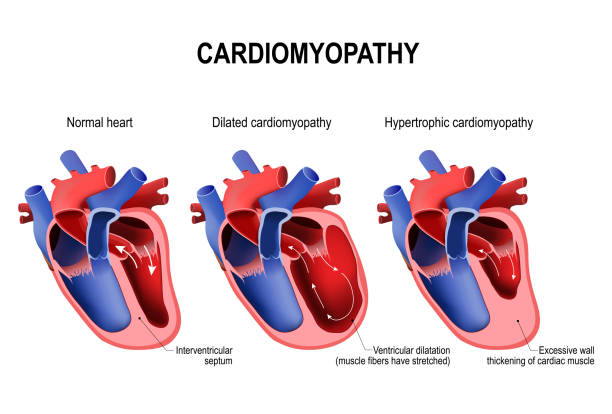
Cardiomyopathy is a disease of the heart muscle that makes it harder for the heart to pump blood efficiently. The muscle may become enlarged and weak (dilated), abnormally thick (hypertrophic), or stiff and unable to fill properly (restrictive). It can be inherited, triggered by infection or toxins, or have no identifiable cause, and if untreated it can progress to heart failure.
Every heartbeat depends on the heart muscle doing its job properly, contracting, relaxing, and pumping blood without a break. Cardiomyopathy is what happens when that muscle stops working the way it should, either by growing weak and stretched, or by thickening and stiffening. Left unmanaged, it can turn ordinary things like climbing stairs or a short walk into hard work.
Cardiomyopathy affects roughly 1 in every 250 people worldwide, according to the Global Heart Hub’s cardiomyopathy awareness data, and it’s frequently caught late because early symptoms are easy to write off as fatigue or age. In India, hospital-based heart failure registries have found dilated cardiomyopathy behind close to 18% of heart failure cases, second only to ischemic heart disease.
Dr. Rakesh Tirmale, an accomplished cardiologist at Terna Hospital, Navi Mumbai, says:

“Cardiomyopathy often begins silently, yet can profoundly disrupt a person’s life—limiting mobility, reducing stamina, and weakening overall health. Early detection and personalized treatment are vital. With advances in imaging, genetic testing, and tailored therapies, we’re now able to intervene earlier, improving outcomes and preserving quality of life.”
Terna Hospital in, Navi Mumbai, brings together cardiologists, imaging specialists, and a dedicated heart wing to take patients from first symptom to a working treatment plan, without the runaround.
Let’s uncover what lies beneath the term “cardiomyopathy”.
Types of Cardiomyopathy
- Cardiomyopathy has five main types: dilated, hypertrophic, restrictive, arrhythmogenic right ventricular, and Takotsubo.
- Symptoms like breathlessness, fatigue, and palpitations are often mistaken for general tiredness, which is why family history and early screening matter.
- Diagnosis relies on ECG, echocardiography, cardiac MRI, and, where relevant, genetic testing.
- Treatment ranges from medication alone to devices like ICDs and CRT, and in advanced cases, surgery or transplant.
- Most people diagnosed early and treated consistently go on to live active lives; outcomes get harder to control the later the disease is caught.
Cardiomyopathy isn’t one-size-fits-all—it includes several forms. Here’s a simple breakdown:
Dilated Cardiomyopathy (DCM)
- The most common type, where the heart chambers enlarge and pump less blood
- Often follows viral infection, toxins, or genetic predisposition
Hypertrophic Cardiomyopathy (HCM)
- Heart walls thicken, reducing chamber space and obstructing blood flow
- Frequently inherited, often detected in athletes or young adults
Restrictive Cardiomyopathy (RCM)
- Heart becomes rigid and struggles to fill with blood
- Can result from amyloidosis or other infiltrative disorders
Arrhythmogenic Right Ventricular Cardiomyopathy (ARVC)
- Rare, causes fat/fibrosis in the right ventricle, triggering rhythm disturbances
- Often family-related, requiring genetic screening
Takotsubo Cardiomyopathy (“Broken Heart Syndrome”)
- Triggered by intense emotional or physical stress
- Usually reversible, but mimics a heart attack
Understanding your specific type helps guide targeted care—this is where expert diagnosis matters most.
Getting the type right is most of the diagnostic work. It’s what tells the cardiology team whether to lead with medication, monitor for now, or move toward a device or procedure.
Diagnosis: How Is Cardiomyopathy Identified
Terna Hospital’s cardiology team works through a structured evaluation rather than jumping straight to one test:
Clinical Evaluation & Medical History
- Symptoms like breathlessness, fatigue, palpitations, or swelling guide testing
- We also consider family history—because genetics play a significant role
Electrocardiogram (ECG)
Detects rhythm abnormalities, conduction delays and structural patterns
12‑Lead Holter Monitoring
24–48 hours of monitoring captures intermittent arrhythmias
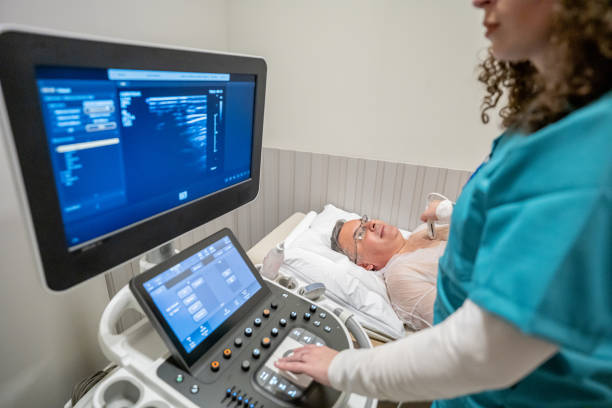
Echocardiography
- Non-invasive, real-time ultrasound; measures chamber size, wall thickness, pump function
- Differentiates between types, tracks progression
Cardiac MRI
- Offers high-definition imaging for tissue structure, fibrosis, scarring
- Essential for complex or ambiguous cases
Genetic Testing (when indicated)
Especially for HCM, ARVC, and familial cases—helps guide family screening
Blood Biomarkers
Troponin, BNP, other markers help assess stress and damage
Cardiac Catheterisation & Angiography
Where coronary blockage must be excluded, or pressure measurements are needed
Together, these steps form a precise Cardiomyopathy diagnosis and management pathway—enabling tailored treatment.
Treatment Options for Cardiomyopathy at Terna Hospital
At Terna Hospital, we tailor treatment to each patient’s type, severity, and overall health profile. Here’s how we approach it:
Medicines to Improve Heart Function
ACE inhibitors or ARBs reduce strain and prevent dilation.
Beta-blockers control heart rate and ease chest strain.
Diuretics reduce fluid overload.
For select patients: anticoagulants to prevent stroke, anti‑arrhythmics as needed.
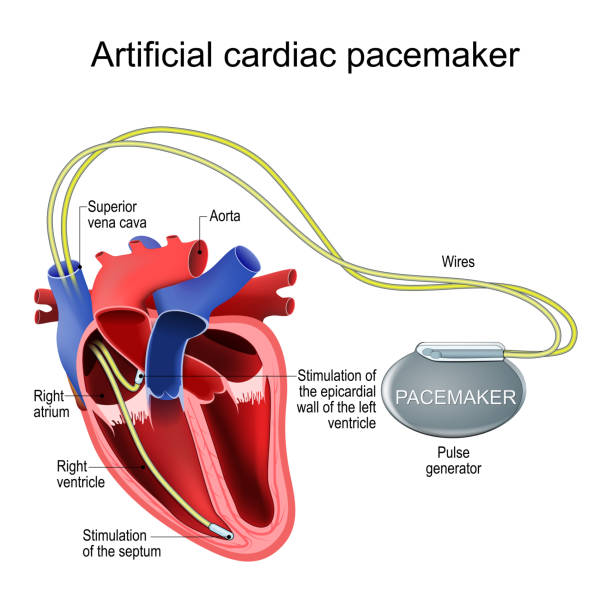
Device-Based Therapies
Implantable Cardioverter‑Defibrillators (ICDs): for life-threatening rhythms.
Cardiac Resynchronisation Therapy (CRT): improves synchrony in heart pumping.
Pacemakers: address bradycardia and conduction block issues.
Invasive & Surgical Interventions
Septal myectomy for obstructive hypertrophic cardiomyopathy.
Alcohol septal ablation as non-surgical alternative.
Left ventricular assist devices (LVADs) for advanced heart failure.
Heart transplant in end-stage cases when other treatments aren’t enough.
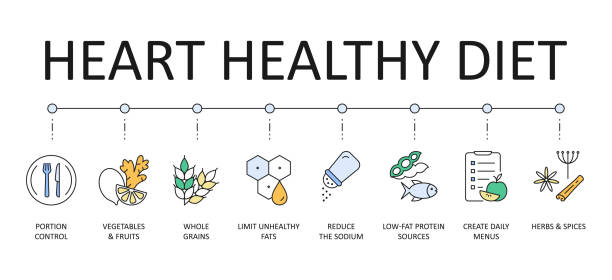
Lifestyle & Rehabilitation Guidance
Customized diet plans: low salt, heart-healthy nutrients.
Tailored exercise regimens to strengthen the heart without overexertion.
Stress reduction—through yoga, meditation, or counseling.
Genetic & Family Counseling
Helps family members understand risks, test, and prevent recurrence.
Expert integration of these options offers the best Cardiomyopathy treatment—one that evolves as you do.

Why Choose Terna Hospital for Cardiomyopathy Treatment
State‑of‑the‑Art Infrastructure
Dedicated heart wing with advanced cath lab, echo, MRI, and electrophysiology suites.
Multidisciplinary Cardiac Team
Cardiologists, cardiac surgeons, geneticists, dietitians, physiotherapists—all united for your heart.
Personalised Care Plans
We don’t do “one-size-fits-all.” Instead, your treatment adapts to your unique profile and preferences.
Cutting‑Edge Technology
Latest-generation ICD/CRT devices, 3D mapping for arrhythmia intervention, and hybrid operating theatres.
Dedicated heart wing
with a cath lab, echocardiography, cardiac MRI access, and electrophysiology facilities under one roof
Patient‑Centric Approach
Clear communication, emotional support, family-inclusive counseling—often cited in patient praise.
Strong Outcomes in Navi Mumbai
Consistently high recovery and quality-of-life scores among patients with cardiomyopathy.
Follow‑Up and Monitoring
Structured follow-up with periodic echo tests, remote monitoring, tele-health check‑ins and personalized rehab.
Education & Community Outreach
Public talks and free heart check-up camps aimed at awareness, early detection, and community health.
Location
based in Navi Mumbai, with straightforward access for patients across the Navi Mumbai and greater Mumbai region
Frequently Asked Questions
What causes cardiomyopathy?
It may arise due to genetic predisposition, past heart attacks, viral infections, excessive alcohol, uncontrolled hypertension, or sometimes it’s idiopathic (no clear cause).
Is cardiomyopathy life‑threatening?
If left unmanaged, yes. However, with timely treatment—including medications, devices, and lifestyle changes—many people lead active and healthy lives.
What lifestyle changes help manage this condition?
Start with these steps:
Follow a low-sodium, nutrient-rich diet.
Avoid alcohol and tobacco.
Engage in moderate exercise, based on doctor guidance.
Monitor blood pressure regularly and avoid stress.
Will I need surgery or a pacemaker?
Not always. Many respond well to medications and rehab. In selected cases, devices like pacemakers, ICDs, or CRT systems—and rarely, surgeries—are needed for optimal management.
Is cardiomyopathy the same as heart failure?
They’re related. Cardiomyopathy refers to structural or functional disease of the heart muscle, which may lead to heart failure—when the heart can’t pump enough blood to meet the body’s requirements.
Who is at risk of developing cardiomyopathy?
Risk factors include family history, high blood pressure, coronary artery disease, obesity, diabetes, history of viral myocarditis, alcoholism, or exposure to toxins/chemotherapy agents.
Take the next step toward tailored heart wellness—our team is ready to guide and support you.
If any of this sounds familiar, breathlessness that’s become routine, fatigue that doesn’t lift, or a family history you’ve been meaning to look into, it’s worth getting it checked rather than waiting it out.
Book a Consultation with Our Cardiology Team → 📞 +91 96194 88802 | +91 96194 88818
Disclaimer: This content is for educational purposes only and does not replace professional medical advice. For personalised guidance, please consult a qualified healthcare provider.